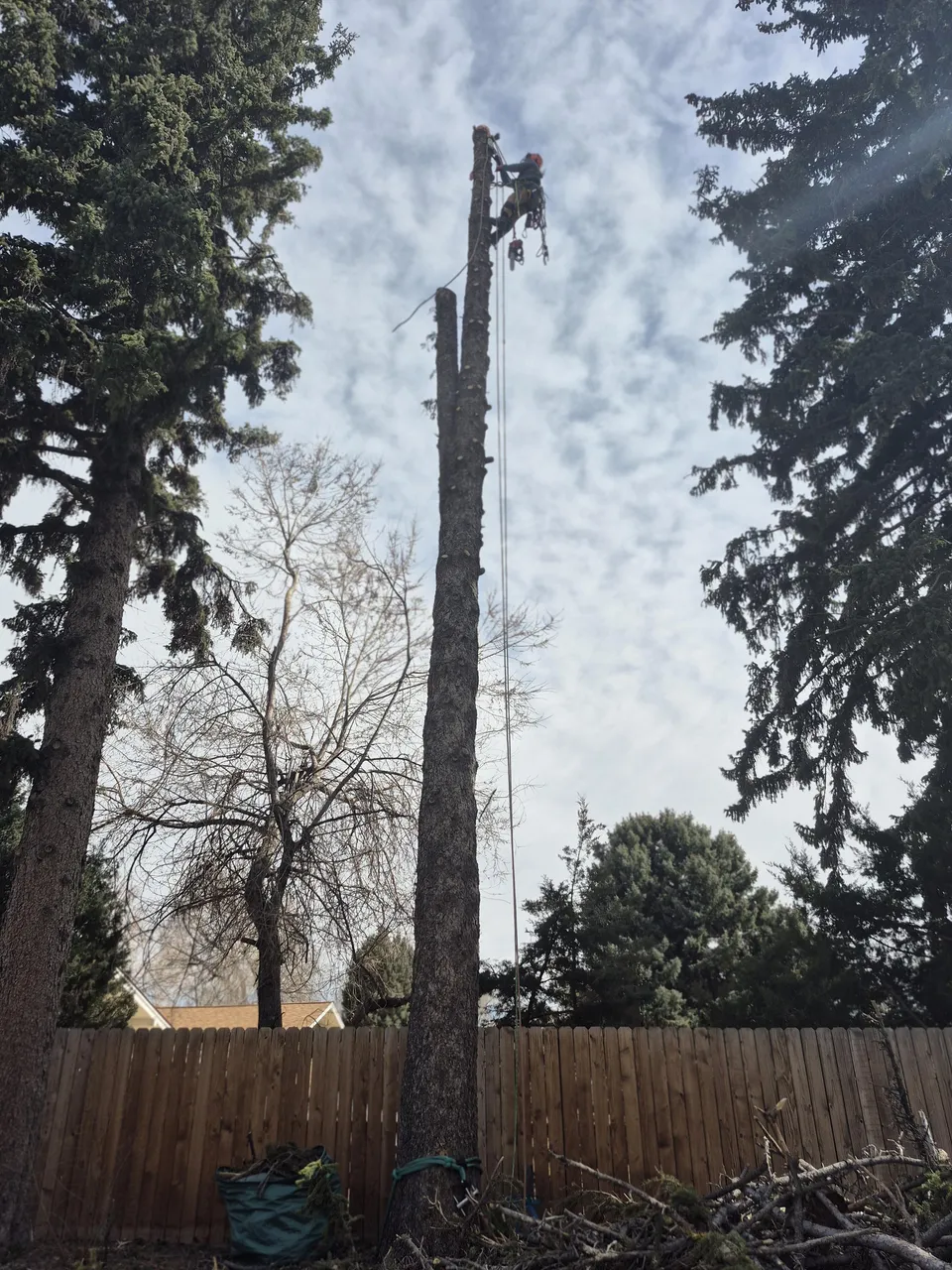
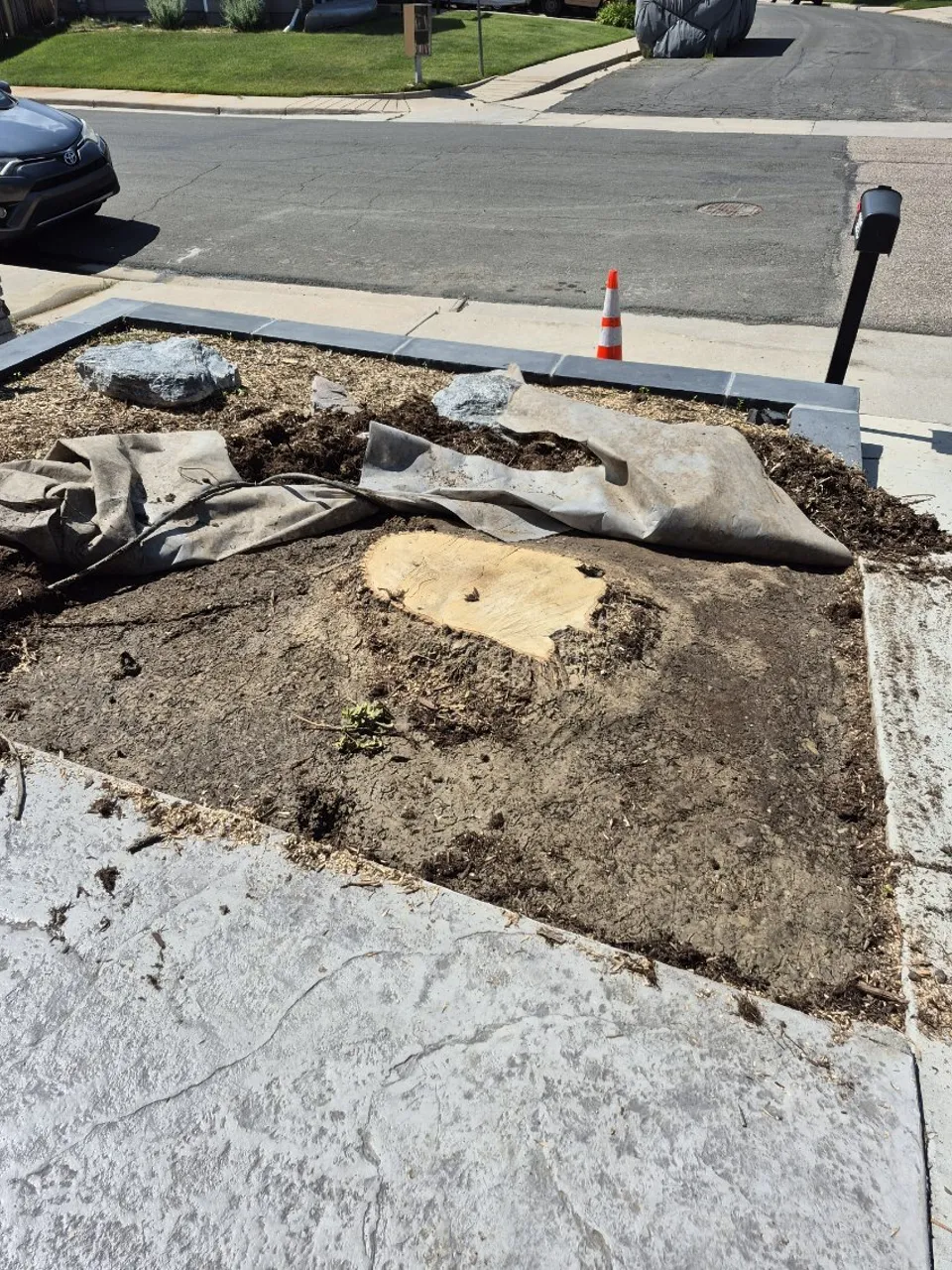
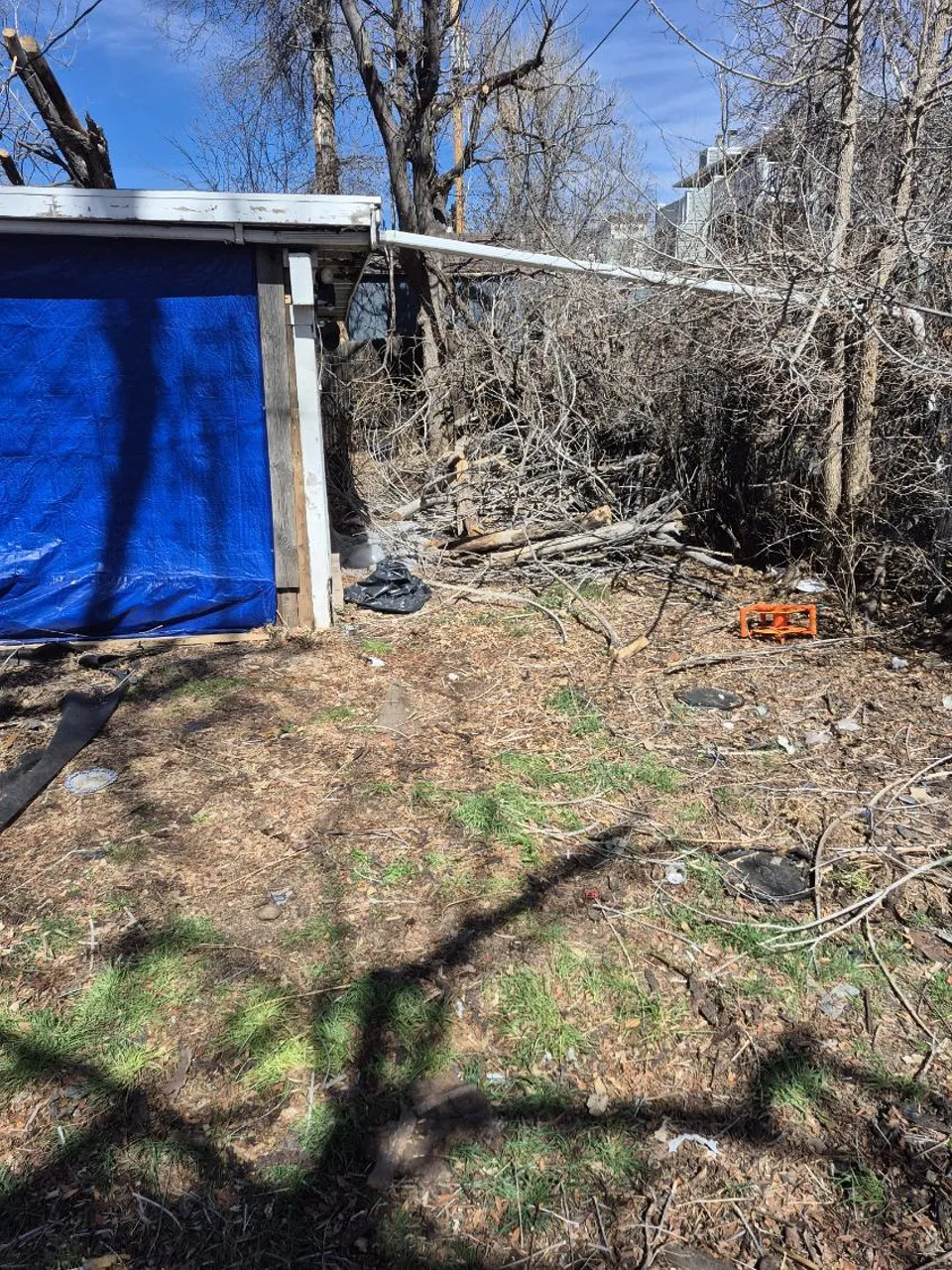
The best time to trim most trees in Colorado is late winter — late February through early April — while trees are still dormant. Dead, broken, or hazardous limbs are the exception: remove those any time of year, in any season. Everything else in this guide is a refinement of that rule.
Alpenglow Tree Care LLC is a licensed and insured tree service based in Broomfield, Colorado, serving Denver, the Northern Metro, the Front Range Foothills, and the High Country up through Summit County and Breckenridge. We trim and prune trees year-round, and the timing advice below is what we give our own clients when they ask when to put us on the calendar.
Why Is Late Winter the Best Time to Trim Trees in Colorado?
Alpenglow Tree Care schedules most structural trimming and pruning between late February and early April because dormant-season work gives the tree three real advantages, not just a convenient slot on the calendar.
You can see the structure. With no leaves on the canopy, every crossing limb, co-dominant stem, deadwood pocket, and weak attachment is visible from the ground. A climber working a bare canopy makes better cuts because nothing is hidden — the difference between shaping a tree and guessing at one.
Disease and insect pressure is at its lowest. Fresh pruning cuts are open wounds, and the fungi and beetles that exploit them are inactive in late winter. Cuts made in February carry far less infection risk than the same cuts made in June.
The tree heals on schedule. A cut made shortly before bud break sits exposed only briefly — within weeks, spring growth begins compartmentalizing the wound. Prune in fall and that same cut sits open all winter through freeze-thaw cycles before the tree can respond.
There's a practical bonus, too: late winter is the slow season for tree crews along the Front Range, so scheduling is easier and turnaround is faster than in the post-storm rushes of spring and summer.
Does Timing Change by Tree Species?
Alpenglow Tree Care adjusts the late-winter rule for a handful of species where timing genuinely matters — mostly because of disease vectors, sap flow, or bloom cycles common across Denver and Front Range landscapes.
- Elms and oaks — never during the growing season. The beetles that spread Dutch elm disease and oak wilt are drawn to fresh cuts on actively growing trees. Prune American and Siberian elms and all oaks strictly in the dormant season. This is the one species rule with real consequences if you break it.
- Maples, birches, and walnuts — they bleed, and that's fine. Late-winter cuts on these species drip sap, sometimes dramatically. It's cosmetic, not harmful. If the dripping bothers you, wait until early summer when leaves are fully out and sap pressure drops.
- Flowering ornamentals — right after bloom. Crabapples, lilacs, serviceberry, and other spring bloomers set next year's flower buds on this year's wood. Prune immediately after flowering finishes; a late-winter cut removes the show you were about to get.
- Spruce and pine — light touch, and rarely. Conifers don't regrow from old wood the way deciduous trees do, so heavy cutting leaves permanent holes. Limit work to deadwood, hazard limbs, and clearance. When shaping is needed, late winter through early spring is the window — and less is almost always more.
Box elders, cottonwoods, honeylocust, ash, and most other common metro-area shade trees follow the standard rule: dormant season for structural work, any season for deadwood. If you have ash on the property, trimming season is also the right time for an emerald ash borer check — our guide to emerald ash borer in Colorado covers what to look for.
What Tree Trimming Mistakes Should You Avoid?
Alpenglow Tree Care gets called to correct the same three mistakes over and over across Denver and the Northern Metro, and each one costs the tree more than doing nothing would have.
- Topping. Cutting main stems back to stubs to "control height" is the fastest way to ruin a tree. The regrowth is a thicket of weakly attached shoots that break in wind and snow, and the large flat cuts invite decay into the trunk. No reputable tree service tops trees. If a tree is genuinely too tall for its spot, crown reduction with proper cuts — or removal and replanting — are the honest options.
- Over-lifting. Stripping out the lower half of the canopy for a "clean look" (sometimes called lion-tailing) pushes all the weight and wind load to the branch tips, making failure more likely, not less. Good canopy raising takes a few limbs at a time over multiple seasons.
- Heavy pruning during summer heat stress. A tree running on drought reserves in July needs every leaf it has. Removing a large share of live canopy mid-heat-wave forces the tree to burn stored energy refoliating when it can least afford it. Save the big cuts for dormancy; keep summer work to light clearance and deadwood.
How Does Colorado Weather Change the Trimming Calendar?
Alpenglow Tree Care plans trimming around three stress cycles that Front Range and High Country trees face on repeat: spring snow loads, summer hail, and multi-year drought.
The most damaging is the late spring snowstorm. Heavy, wet snow in April or May lands on fully leafed-out canopies, and limbs that carried bare-branch snow all winter without trouble snap under the added surface area. The trees that fail worst are the ones with long, end-heavy limbs and tight, V-shaped attachments — exactly the defects a dormant-season structural trim removes. Weight reduction on over-extended limbs before winter, or in the late-winter window, is the cheapest storm insurance a tree owner in Denver or Broomfield can buy. When a storm gets there first, our storm cleanup crew handles broken and hanging limbs safely.
Hail and drought shape the calendar too. Hail-shredded canopies need cleanup pruning of broken and split branches — done as soon as practical after the storm, whatever the month. And in drought years, we deliberately trim less: a water-stressed tree has fewer reserves for wound response, so we defer optional canopy work and stick to deadwood and hazards until moisture returns.
The any-time exceptions. Safety never waits on the calendar. Dead or hanging limbs over a roof, driveway, or play area come down whenever they're found. The same goes for clearance from service drops, structures, and sight lines at driveways and intersections — though anything growing into high-voltage utility lines is work for the utility's qualified line-clearance crews, not a homeowner's ladder. If you're in the foothills, fire mitigation adds its own year-round reason to prune: our guide to defensible space for Colorado foothills properties covers how limbing and spacing fit into a wildfire-ready landscape.
What's the Difference Between Trimming and Pruning?
Alpenglow Tree Care treats these as two related jobs, and the distinction is worth knowing when you're comparing bids. Tree trimming manages shape and clearance — cutting growth back from roofs, gutters, walkways, and views, and keeping the tree's size in proportion to its space. Tree pruning is health and structure work — removing dead, diseased, crossing, and weakly attached limbs so the tree gets stronger over time.
In practice, most trees need some of each, and we typically handle both in a single visit: structural pruning cuts first, then clearance and shaping. What matters is that every cut — trimming or pruning — is made at the right location on the branch, at the right time of year for the species. That's the whole game.
If your trees haven't been touched in five or more years, don't wait for the "perfect" month. An overgrown, defect-heavy canopy in August is riskier than a well-timed correction — we'll simply stage the work, handling hazards now and saving the finish work for the dormant window.
Common Questions About Tree Trimming Season in Colorado
What month is best to trim trees in Colorado?
Late February through early April is the best window for most Colorado trees. The tree is still dormant, its structure is fully visible without leaves, insect and disease activity is at its lowest, and pruning cuts begin sealing as soon as spring growth starts. Dead, broken, or hazardous limbs should be removed whenever you find them, in any month.
Can you trim trees in the summer in Colorado?
Light summer trimming is fine — clearance cuts, small corrective cuts, and deadwood removal. Avoid heavy summer pruning, especially during drought or heat stress, because removing a large share of live canopy forces the tree to spend stored energy it needs to survive. Elms and oaks are the exception: keep pruning cuts on them out of the growing season entirely to avoid attracting the beetles that spread Dutch elm disease and oak wilt.
Is it OK to trim maples or birches when they are dripping sap?
Yes. Maples, birches, and walnuts bleed sap from late-winter pruning cuts, which looks alarming but does not harm the tree — it is a cosmetic issue, not a health issue. If the dripping bothers you, prune these species in early summer after the leaves have fully expanded, when sap pressure has dropped.
What is the difference between tree trimming and tree pruning?
Trimming manages a tree's shape and clearance — cutting growth back from roofs, walkways, utility lines, and sight lines. Pruning is health-focused work: removing dead, diseased, crossing, or structurally weak limbs to improve the tree's long-term strength. Most trees benefit from both, and Alpenglow Tree Care performs both, often in the same visit.
Last Updated: August 2026